
- On December 7, 2025
- In General Informations TRANSPORT TRAVEL GUIDE
Driving in Central London: Complete Guide to Rules, Charges, Restrictions & Parking
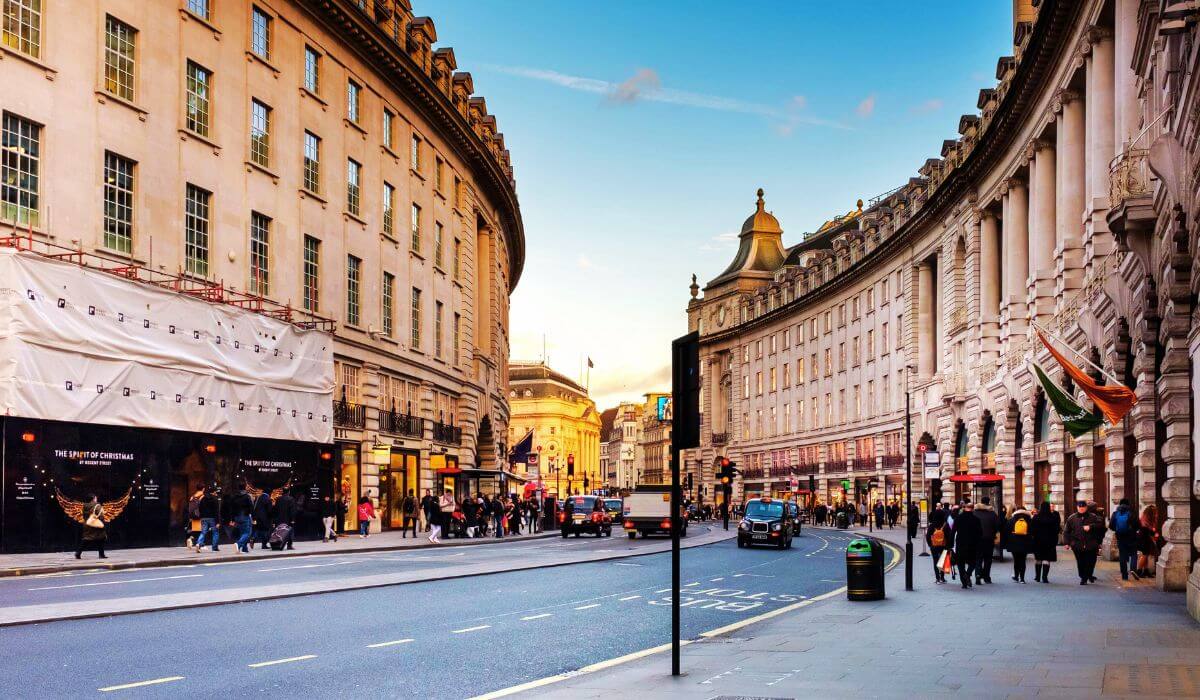
If you’re planning a trip and wondering “Can I drive in central London?”, the short answer is yes.
The longer answer? It depends on how prepared you are for one of Europe’s most regulated driving environments.
Central London isn’t like driving in most major cities. The streets are narrow, the traffic rules shift from one block to the next, there are several emission zones to navigate, and almost everything is monitored by cameras that catch thousands of visitors by surprise each year. But once you understand how London’s road system works, driving here becomes far less intimidating.
This guide breaks everything down clearly so you can explore the city safely and confidently. You’ll learn all the essentials about driving in central London, including:
- how the city’s driving zones and charges actually work
- what restrictions apply to older or non-compliant cars,
- the road rules that surprise most first-time visitors,
- where to park and the places you should absolutely avoid,
- and when driving is genuinely useful… versus when it will test every ounce of your patience.
Whether you're visiting for a weekend or planning a longer stay, this guide will help you avoid the classic mistakes many travellers make when navigating London for the first time.
Let’s dive into the essential tips for driving in central London.
Can You Drive in Central London?
Is it allowed?
The good news: yes, you’re allowed to drive in central London as long as you have the right licence.
If you’re visiting from abroad, the rules are pretty flexible:
- Tourists can drive in the UK for up to 12 months using their foreign driving licence.
- If your licence is not in English (for example, written in Arabic, Chinese, Russian, etc.), you’ll need an International Driving Permit (IDP) alongside it.
- Most rental cars in London are automatic these days, but manual cars are still extremely common. If you’re not used to driving manuals and especially not used to shifting with your left hand, choose an automatic to avoid unnecessary stress.
There are no age-related restrictions on the vehicle itself, with one exception: emissions. Older high-pollution cars may trigger fees when entering the ULEZ (Ultra Low Emission Zone).
 So if you’re asking “Are there restrictions on driving old cars in central London?”, the answer is yes, but it’s based on emissions, not vehicle age alone. You can absolutely drive an older car if it meets ULEZ standards.
Is it recommended?
Here’s where things get interesting. Technically, you can drive in central London, but many travellers quickly realise that the journey is more complicated than expected.
Central London combines:
- Narrow, historic streets
- Constant congestion
- One-way systems that seem to change every few blocks
- Bus lanes, cycle lanes, red routes, and timed restrictions
- A camera watching you roughly every few hundred metres
That means mistakes happen easily, even experienced locals complain about unexpected fines, last-minute diversions, and “How was I supposed to see that sign?” moments.
Despite all that, driving can still make sense for certain travellers, especially if:
- You’re carrying luggage
- You’re travelling as a family
- You’re planning day trips outside the city
- You’re staying in zones 2–6 and simply dipping into central London
- You prefer the comfort and flexibility of a car instead of trains or buses
And if you do decide that renting a car is right for your trip, it’s worth choosing a provider with reliable customer service, clear pricing, and a wide choice of vehicles. That’s why many visitors opt for car hire with Europcar, which offers convenient pickup locations across London and a range of vehicles that meet ULEZ requirements. A compliant, modern car can save you from unexpected fees, and a lot of stress.
The Biggest Challenges of Driving in Central London
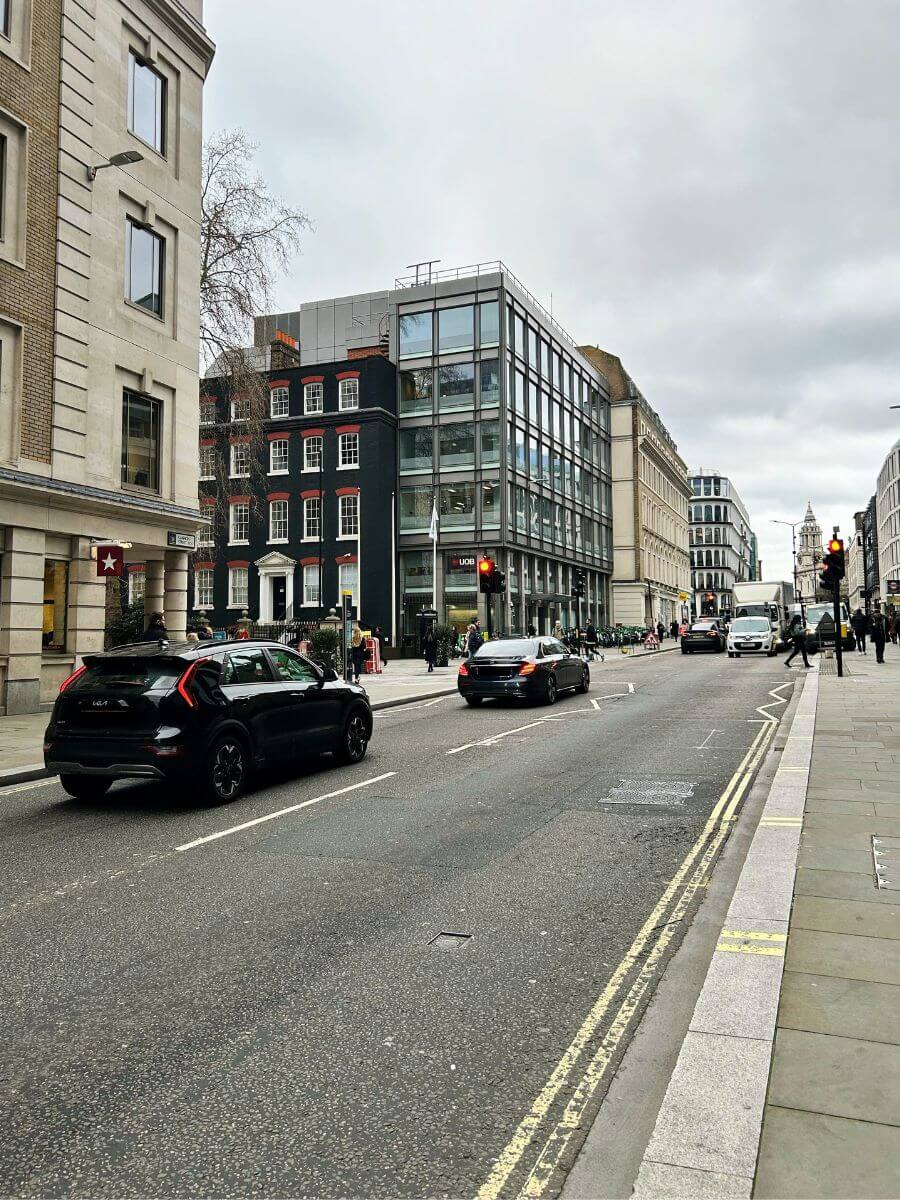
Driving in central London isn’t impossible but it does come with unique challenges that can surprise even confident drivers. Let’s break down what makes driving into Zone 1 such a particular driving environment.
Heavy Traffic & Narrow Streets
If you imagine London as a city full of wide boulevards and fast-moving lanes… well, let’s adjust those expectations right now.
Central London is built on a medieval street layout, which means:
- Narrow, twisting streets
- Lanes that seem to appear (or disappear) without warning
- Tight turns where you hold your breath and hope the bus coming the other way does the same
Add to that millions of people moving through the centre every day, and you get traffic that rarely flows smoothly. From 7–10 AM and 4–7 PM, congestion hits its peak but honestly, even at 11 AM on a Tuesday, don’t expect empty roads.
Short distances can take a surprisingly long time. A local once joked that London traffic is “where time and space lose all meaning,” and it’s hard to disagree when your car hasn’t moved more than half a metre in five minutes.
Constant Road Rules & Camera Enforcement
One thing that shocks many first-time drivers: London doesn’t need many police officers to enforce traffic rules, it uses cameras instead. Everywhere.
There are cameras for:
- Bus lanes
- Red routes
- Yellow box junctions
- Banned turns
- Speed limits
- ULEZ and Congestion Charge zones
If you make a mistake, chances are high that a camera noticed… even if you didn’t.
And fines aren’t small. Most central London penalties sit around £160, reduced by 50% if paid within 14 days. Locals will tell you it’s far too easy to rack up two or three fines in a single day if you’re not paying close attention.
Another challenge? Sat-nav errors.
Navigation apps don’t always reflect the latest changes to restricted streets or temporary closures. London updates its traffic rules frequently, especially with new cycle lanes and school streets, and your app may not keep up.
The golden rule here: believe the signs, not the sat-nav.
Pedestrians, Cyclists & Motorbikes Everywhere
London may be a major world capital, but it often feels like everyone on the road is competing for the same two square metres of space.
You need to be ready for:
- Cyclists overtaking on both sides of your car
- Delivery riders weaving between lanes
- Pedestrians crossing where you least expect it
- E-scooters appearing out of thin air like London-themed Pokémon
And while most cyclists follow the rules, some… let’s say, interpret them creatively. It’s common to see bikes slipping through small gaps, turning ahead of you, or riding up the inside just as you’re about to turn left.
This doesn’t mean it’s dangerous, London is actually one of the most cycle-friendly cities in Europe but it does demand a slower, more defensive driving style. Constant mirror-checking becomes second nature.
Understanding London’s Driving Charges
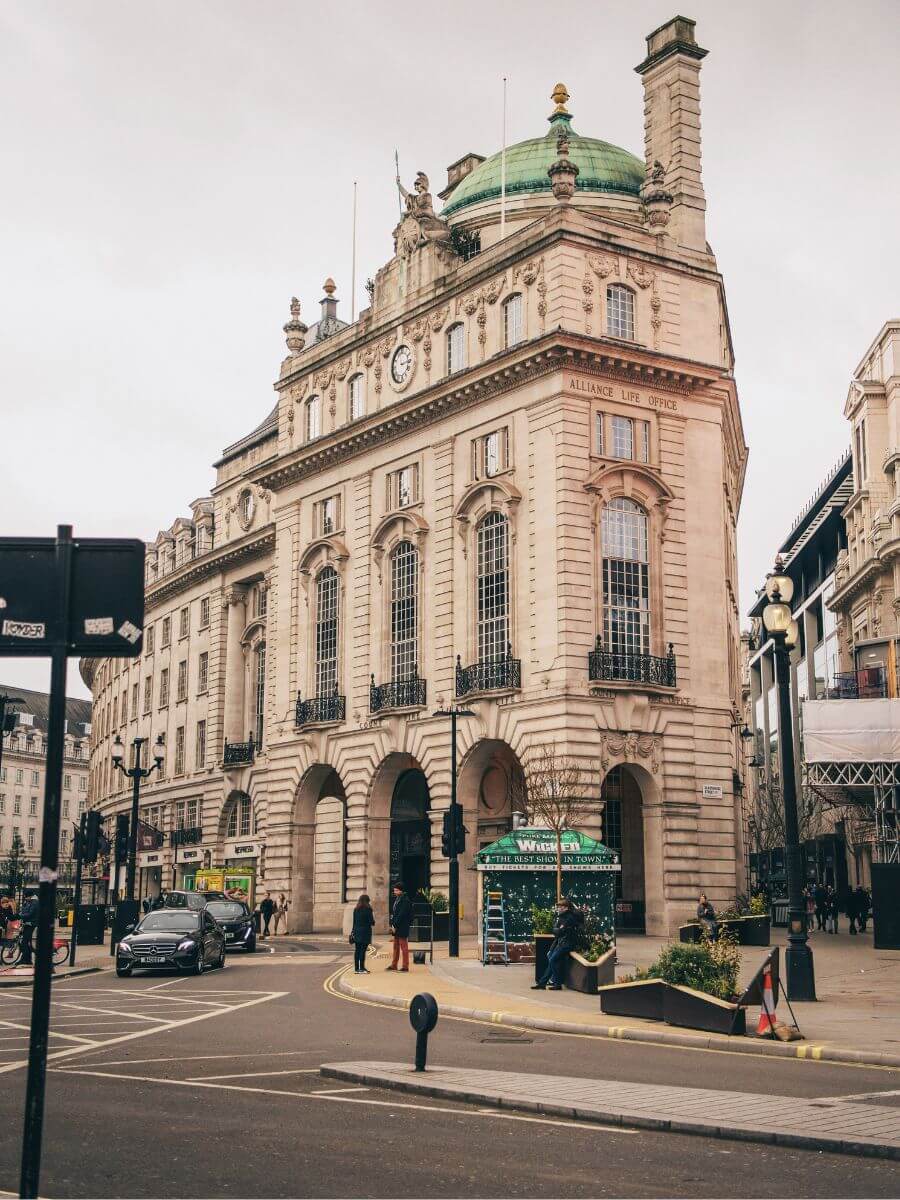
One of the most confusing parts of driving in central London isn’t the traffic itself, it’s the system of charges and zones layered on top of each other. Congestion Charge, ULEZ, LEZ… it can feel like you need a small degree in urban planning just to cross the city.
Let’s break down each zone in simple, traveller-friendly terms.
Congestion Charge
If you plan to drive anywhere near Westminster, Trafalgar Square, Soho, the City, or South Bank, you’ll almost certainly pass through the Congestion Charge Zone. This is London’s way of reducing high traffic levels in the busiest parts of town.
Here’s what matters:
- Daily cost: £15
- When it applies: Monday–Friday: 7 AM to 6 PM – Weekends & Bank Holidays: 12 PM to 6 PM
- Where it applies: Most of central London (roughly Zone 1)
- How it works: Cameras automatically read your number plate when you enter
- How to pay: Online the same day or up to the following day
Miss the deadline? Expect a penalty of around £160 (reduced if paid early).
The Congestion Charge applies to almost all vehicles, including rentals. And no — it’s not included automatically when you book a car. You’re responsible for paying it.
Some travellers choose to avoid the zone entirely by parking outside Zone 1 and switching to the Tube for the final stretch. It’s often quicker anyway.
ULEZ (Ultra Low Emission Zone)
If the Congestion Charge is about reducing traffic, ULEZ is all about cutting air pollution.
ULEZ is one of the strictest emissions zones in Europe, and unlike the Congestion Charge, it doesn’t just cover central London, it covers all London boroughs, 24 hours a day, 7 days a week.
Here’s what you need to know:
- Daily fee: £12.50
- When: 24/7, every day except Christmas Day
- Who pays: Drivers of vehicles that don’t meet emissions standards
- Common rule of thumb: Petrol cars must meet Euro 4 (generally 2005+) – Diesel cars must meet Euro 6 (generally 2015+)
If you’re wondering “Are there restrictions on driving old cars in central London?”, this is the restriction people are talking about. You can absolutely drive an older car through London, as long as it meets the ULEZ emissions standard.
Foreign-plated cars must also check compliance. If the system can’t automatically verify your vehicle, you may need to submit documents proving it's low-emission.
A fun fact: 96% of vehicles driven in the ULEZ already meet the standard, so the odds are on your side but do check before travelling to avoid paying extra fees.
If you rent a car, it will almost always be ULEZ-compliant, which removes a huge layer of stress from your journey.
LEZ (Low Emission Zone)
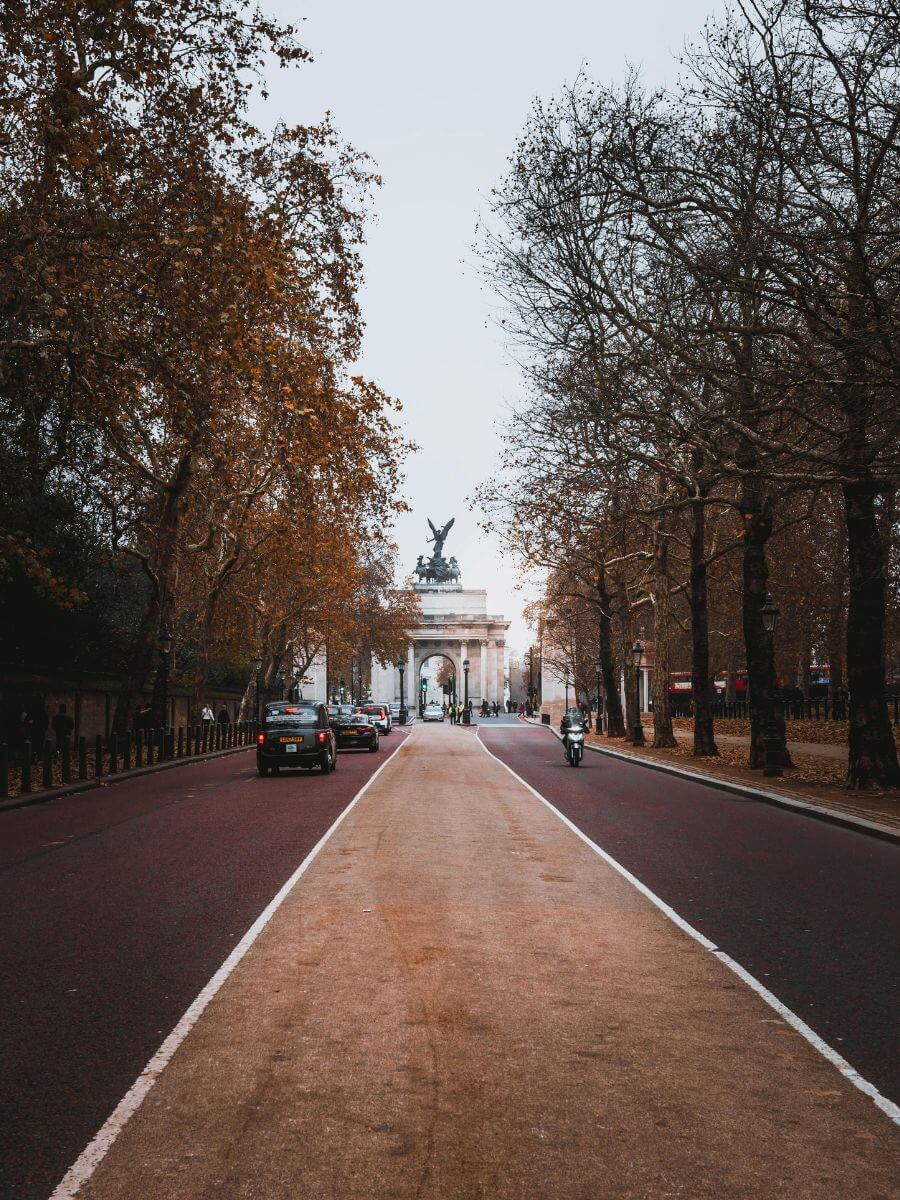
ULEZ gets all the attention, but London also has the Low Emission Zone (LEZ). The good news for travellers is that LEZ doesn't affect normal passenger cars.
LEZ applies mainly to:
- Lorries
- Vans
- Buses
- Coaches
- Specialist heavy vehicles
So unless you’re arriving in London behind the wheel of a large commercial vehicle, you can safely file this one under “interesting but not relevant”.
Dartford Crossing
If you’re approaching London from Kent or Essex, you may cross the Queen Elizabeth II Bridge or the Dartford Tunnels, collectively known as the Dartford Crossing.
It works differently from other tolls:
- There are no barriers. Cameras record your plate.
- You must pay online by midnight the next day.
- Cost for cars: £2.50 per crossing.
- Penalty for forgetting: £70 (reduced to £35 if paid quickly).
A lot of visitors get caught out because they expect a traditional toll booth. There isn’t one. So set a reminder if you use this route.
Essential Rules of Driving in Central London
If London had only traffic to worry about, driving here would already feel intense. But the real challenge isn’t the congestion, it’s the rules layered across the city. These markings and signs change from one street to the next, and they’re enforced by cameras that never blink.
Understanding these rules makes a huge difference. Once you know what to look for, London’s roads start to make sense.
Red Routes
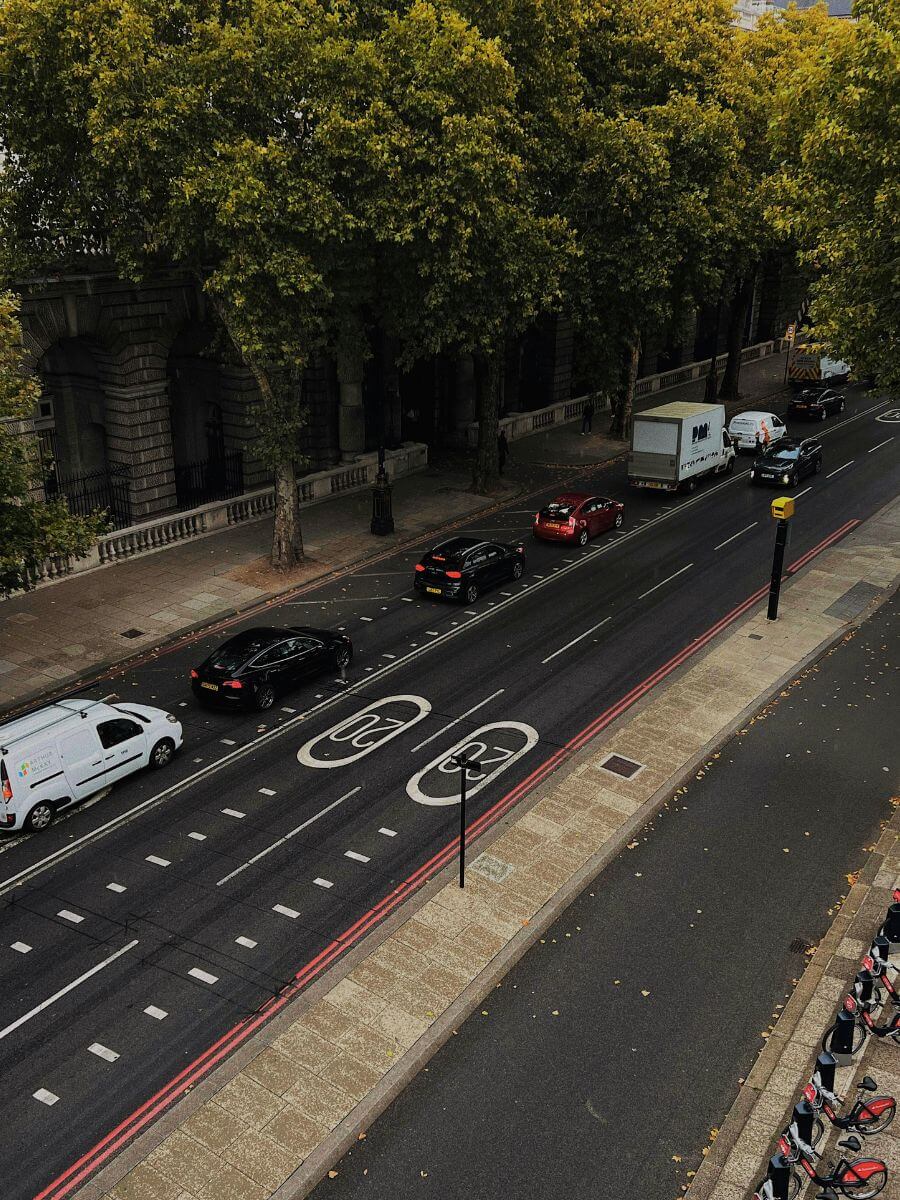
Red routes are some of the most misunderstood road markings in London. Think of them as the city’s fast-flowing arteries, places where stopping for even a few seconds is banned because it slows everyone down.
Here’s how they work:
- Double red lines: No stopping at any time, not even to drop someone off.
- Single red lines: No stopping during the hours shown on nearby signs.
- Restricted bays: Some red routes include marked boxes where stopping is allowed, but only at very specific times.
What makes red routes tricky is that the rules can change from one block to the next. And London enforces them firmly with cameras. A quick “I’ll just pull over for 10 seconds” can result in an instant fine.
If you’re coming from countries where pulling onto the shoulder or kerb is normal, this rule alone can feel like a cultural shock. In London, just keep moving unless you see a clearly marked bay inviting you to stop.
Bus Lanes
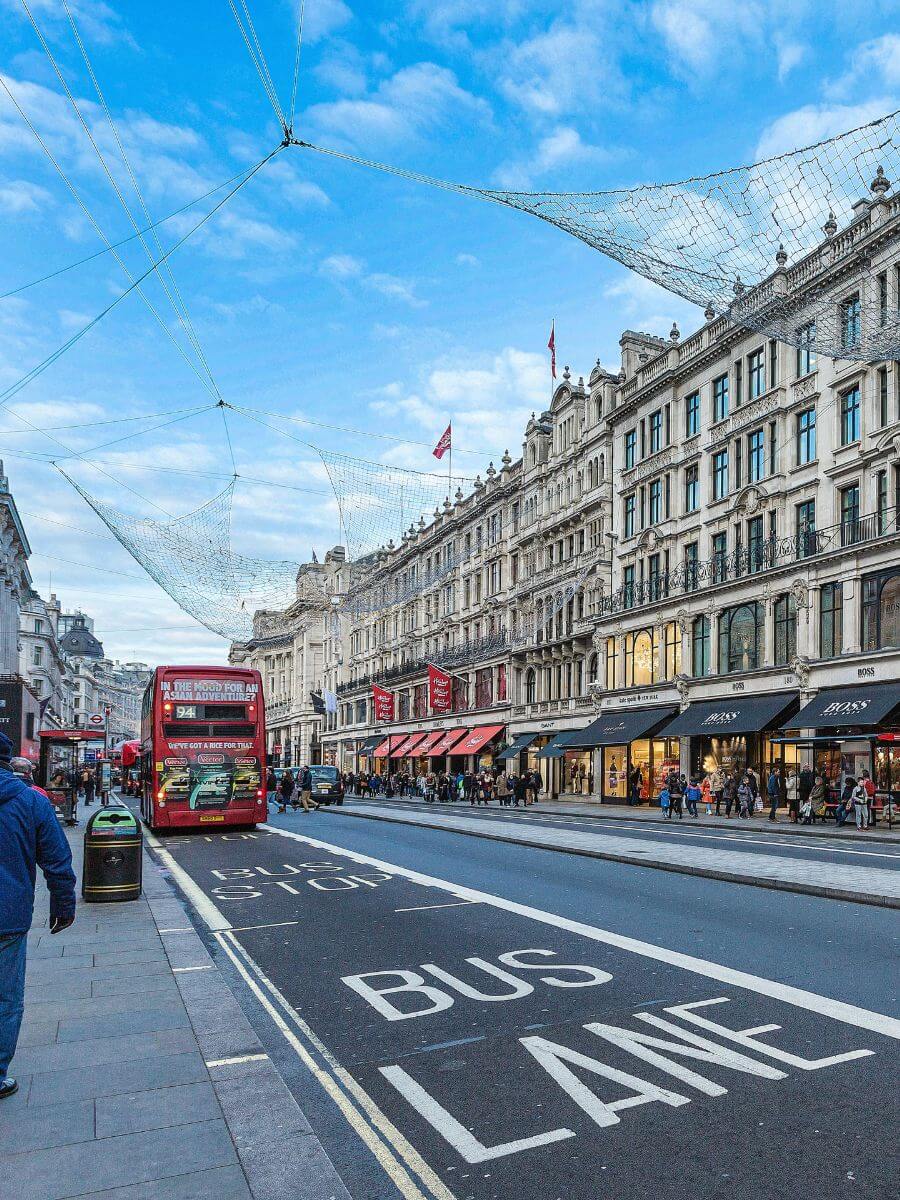
London’s bus lanes often look like a tempting escape route when traffic slows down… but resist the urge. Many bus lanes operate for most of the day, sometimes even 24/7, and driving in one at the wrong time is one of the quickest ways to pick up a fine.
What to watch for:
- Blue rectangular signs showing the hours the lane is active
- Additional icons showing who can use the lane (taxis, motorcycles, bicycles)
- Lanes that only apply during peak hours vs. lanes that operate all day
- Areas where bus lanes switch sides or end abruptly
The key is to check the sign before entering the lane. If there is no timetable on the sign, assume the lane is active at all times.
Yellow Box Junctions
Yellow box junctions are another London classic and a common cause of unexpected fines. They sit at busy intersections and are marked by a bright yellow cross-hatched box.
The rule is simple but strict:
- Do not enter the box unless your exit is completely clear.
The only exception is when you’re turning right and waiting for oncoming traffic to pass.
In stop-start traffic, box junctions become tricky because another driver may move unexpectedly or block your exit at the last second. Cameras don’t care about the nuance, if your car stops inside the box, even halfway over the line, you’re likely getting a fine.
Locals learn to wait patiently, even when the driver behind them honks.
Timed & Restricted Roads
This is where London can really confuse visitors. A road might look completely normal, but then a sign indicates that only buses, taxis, or cyclists are allowed during certain hours. It could be:
- A weekday morning restriction to reduce commuter traffic
- A “School Street” closing access at drop-off and pick-up times
- A central zone where only public transport may pass between 7 AM and 7 PM
- A side street restricted to residents or local deliveries
The tricky part? These rules often change throughout the day. You might drive through legally at 11 AM but get fined at 4 PM on the same street.
Navigation apps don’t always warn you, so always check the sign at the junction itself. London boroughs update restrictions faster than digital London maps can keep up.
Speed Limits
London’s speed limits surprise many visitors because they feel low for such a big city and that’s exactly the point.
- 20 mph is the default in many boroughs
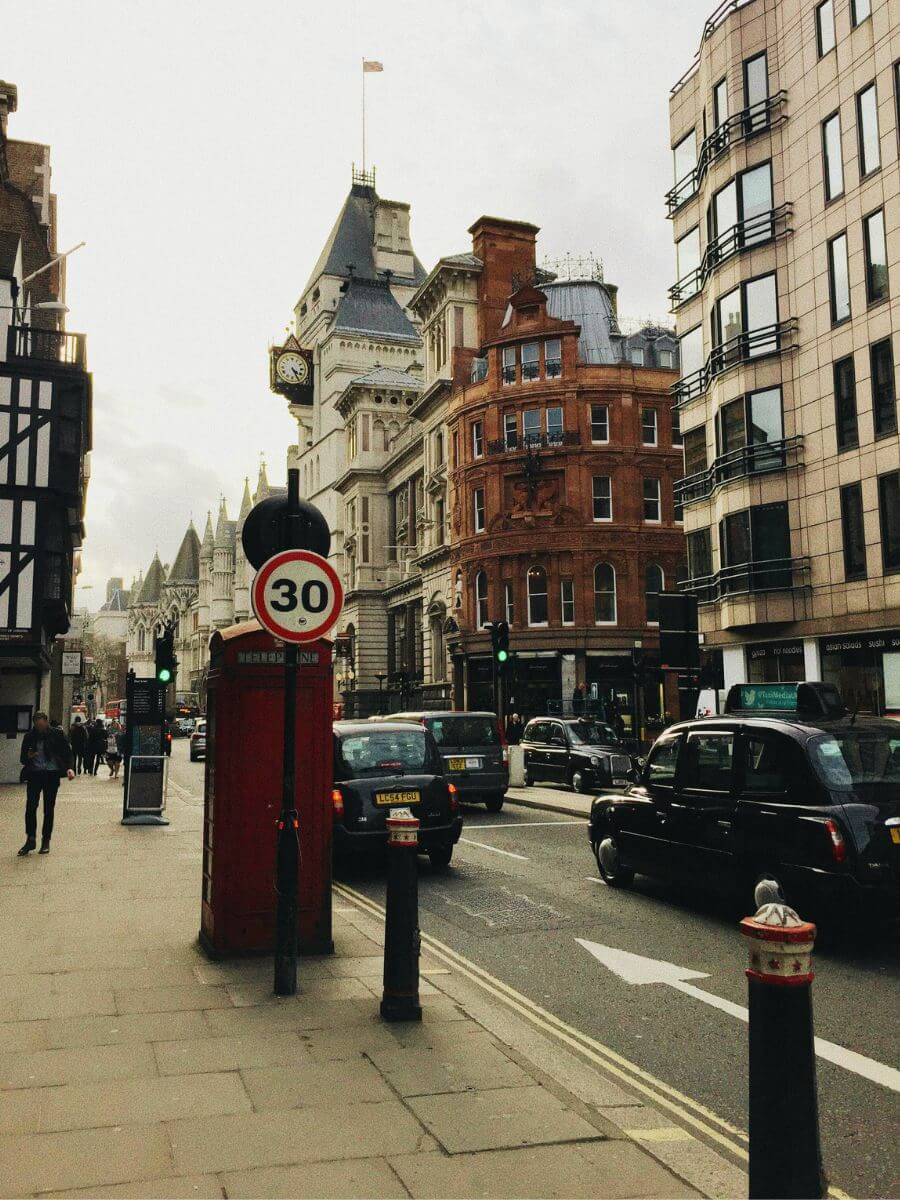
- 30 mph appears on larger roads
- 40+ mph is reserved for roads like the North Circular or certain dual carriageways
Speed cameras are extremely common, especially in central areas. They’re bright yellow, hard to miss, and automated. If you’re even slightly over the limit, the camera won’t hesitate.
The challenge isn’t speed, it’s adaptation. Streets may switch between 20 and 30 mph within a short distance, so checking signs and road markings becomes part of the rhythm of driving.
Driving and Parking in Central London
If driving in central London feels like a challenge, parking is the moment London smiles sweetly and says, “Oh, you thought we were done?” Parking is often the trickiest part of the whole experience. Locals plan parking like a military operation, and visitors are often surprised by how limited, expensive, and rule-heavy it can be.
But don’t worry, once you understand how parking works in the city, you can avoid the classic pitfalls and keep your trip running smoothly.
On-Street Parking
Street parking in central London is possible, but you’ll need a sharp eye and a good understanding of the signs. The closer you get to places like Soho, Covent Garden, or Westminster, the fewer open parking spaces you'll find and the stricter the rules become.
Here’s what to expect:
- Controlled Parking Zones (CPZs) cover most central areas.
At the entry to each zone, you’ll see a large sign showing the times when parking rules apply. - Many CPZs operate from 8:30 AM to 6:30 PM, Monday to Saturday, but this varies by borough.
- Some bays allow a short stay, others require payment at a meter or via an app, and some are strictly for residents.
The street may look empty, and a space may look inviting, but in London, you must read the sign before leaving your car. Enforcement is consistent, and wardens patrol central neighbourhoods frequently.
There are also restrictions that catch many drivers by surprise:
- Double yellow lines: No parking at any time.
- Single yellow lines: Restrictions apply only during posted hours.
- Zig-zag lines near pedestrian crossings: Stopping here is illegal, full stop — and penalties are high.
- Pavement parking: Completely banned in London, even if it seems like everyone else is doing it.
London’s parking rules can switch from one side of the street to the other. It’s not unusual for the left side to be residents-only while the right side is pay-and-display. The only way to be sure is to check the signage carefully.
Car Parks
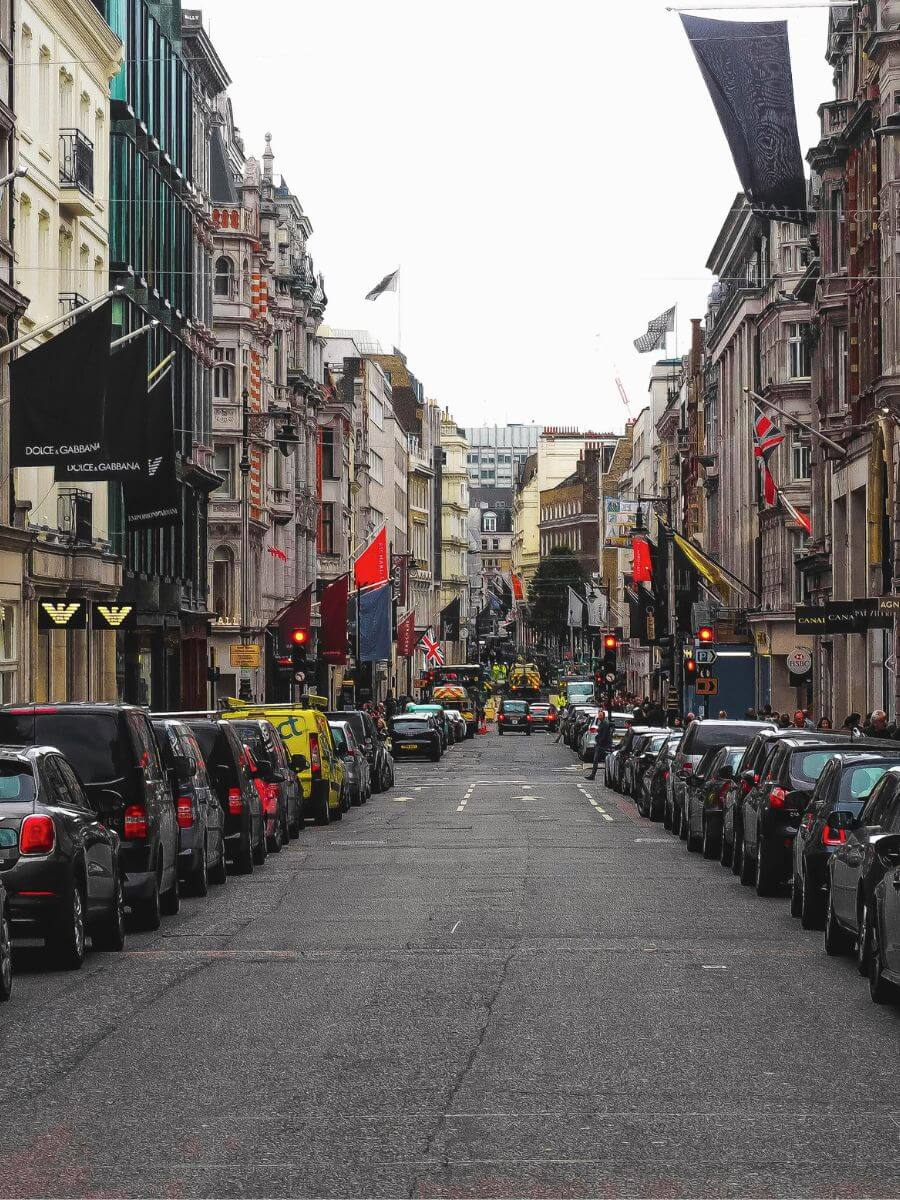
For most visitors, multi-storey car parks offer a simpler, safer, and less stressful option. Central car parks are well-located, monitored, and often easier to access than attempting to squeeze into a tight kerbside space.
A few tips:
- Car parks are usually more expensive than street parking, but they’re predictable and legal.
- Some allow pre-booking, which helps guarantee a space during busy periods or weekends.
- Prices vary significantly depending on the neighbourhood — parking near Leicester Square or Knightsbridge will cost much more than parking outside Zone 1.
Many travellers choose car parks for peace of mind, especially if they’re leaving luggage in the vehicle or returning late in the evening.
Private Driveways & Pre-booking
Although you won’t find many private driveways in central London, outer neighbourhoods and residential areas around Zones 2–4 often have parking spaces available for rent.
The idea is simple:
- Local residents rent out unused driveways
- You reserve a spot in advance
- You drive straight to your space without circling endlessly
This approach works best when visiting museums or attractions just outside the very centre, or when staying in a neighbourhood with limited hotel parking. It won’t solve everything, but it can make your day feel a lot less stressful.
Safety Tips
Car crime in London is not extreme, but it exists — and being cautious is always wise, especially if you’re leaving your vehicle overnight.
A few habits can make a big difference:
- Remove or hide valuables (phones, bags, even charging cables).
- Leave your glove box open and empty to show there’s nothing worth stealing.
- Choose well-lit streets or monitored car parks when possible.
- Avoid very quiet backstreets late at night.
- Lock the car even if you’re stepping away for just a few seconds.
London is generally safe, but like any major city, it pays to be mindful. Boroughs such as Enfield, Newham, and Ealing have higher reports of vehicle-related crime, while Kingston upon Thames, Sutton, and Merton tend to be calmer.
Alternatives to Driving in Central London
London has one of the best public transport networks in the world, and sometimes swapping the steering wheel for a travel card is simply the smarter, calmer, and faster choice. Whether you’re trying to save money, avoid delays, or stay sane in the heart of Zone 1, here are the realistic alternatives that Londoners actually use every day.
When You Should Avoid Driving
There are moments when driving through central London just isn’t worth the stress, no matter how confident a driver you are. Some areas are so dense, so slow-moving, and so pedestrian-heavy that even locals will ditch their cars in favour of the Tube or a brisk walk.
Consider avoiding the car when:
- You’re heading into the busiest parts of Zone 1 : Soho, Covent Garden, Leicester Square, Oxford Circus, Trafalgar Square, these are areas where traffic jams are practically part of the scenery.
- You’re travelling at peak times : Morning and late afternoon rush hours can turn a 10-minute journey into a 45-minute crawl.
- A major event is happening : London loves a parade, a protest, a marathon, a royal celebration… and these events often bring rolling road closures, diversions, and unpredictable queues.
- You’re not familiar with local signage : A quick decision at a junction is all it takes to accidentally enter a restricted street or bus-only lane. And London cameras never forgive.
- You’re trying to visit a pedestrian-focused landmark : Areas around Buckingham Palace, London Eye, Westminster Abbey, and parts of South Bank are simply easier on foot or by Tube.
In many cases, you’ll get to your destination faster without the car and that’s coming from someone who loves road trips.
When Driving Actually Makes Sense
Despite everything, there are times when having a car is genuinely helpful. Visitors often think it’s “driving everywhere or driving nowhere,” but the reality is more balanced. London is big, and not every journey runs through narrow, ancient streets.
Here are situations where driving can be a smart choice:
- Day trips beyond the city : If you’re planning to visit Windsor, Stonehenge, Oxford, the Cotswolds, Canterbury, or even coastal towns, a car gives you total freedom. No timetables, no train changes, just a relaxed journey at your own pace.
- Staying in the outer boroughs : Zones 3 to 6 have quieter roads, easier parking, and more residential options. It’s a different world from the chaos of the West End.
- Travelling with kids, elderly relatives, or bulky luggage : The Tube is excellent, but it isn’t always the easiest option when you’ve got strollers, suitcases, or mobility considerations.
- Early-morning or late-night travel : Public transport runs frequently, but there are still moments when a car is simply more convenient especially if you're crossing neighbourhoods rather than sticking to major lines.
- Combining driving with public transport : Many Londoners use a simple strategy park outside Zone 1, then hop on the Tube. It’s quicker, cheaper, and far less stressful than driving all the way into the centre. Stations like Ealing Broadway, Stratford, and Wimbledon are well connected and often have large parking areas nearby.
FAQs About Driving in Central London

Can I drive in central London as a tourist?
Yes, as long as you hold a valid driving licence. Visitors can drive for up to 12 months on a foreign licence. If your licence isn’t in English, you’ll need an International Driving Permit as well.
Do I have to pay to drive in central London?
You may need to pay the Congestion Charge (£15 daily) if you enter the central zone during operating hours. If your vehicle doesn’t meet emissions standards, the ULEZ charge (£12.50 daily) may also apply.
Are old cars restricted in central London?
Older cars are allowed, but they must meet ULEZ emissions standards. Petrol cars generally need to be Euro 4, and diesel cars Euro 6. If they don’t qualify, you’ll have to pay the daily ULEZ fee.
What happens if I accidentally drive into a bus lane?
Bus lanes are camera-enforced, and entering one during restricted hours usually results in a penalty. Always check the blue signs indicating who can use the lane and when.
Is parking available in central London?
Parking exists but is limited and heavily regulated. Most central streets fall under Controlled Parking Zones. Multi-storey car parks are often the easiest option if you need to park near major attractions.
Can I rely on Google Maps or Waze when driving in London?
Navigation apps are useful but not perfect. They sometimes miss new road restrictions or timed closures. Always follow local signs over digital instructions.
What is the best time of day to drive in central London?
Early mornings after rush hour or late evenings tend to be the quietest. Avoid 7–10 AM and 4–7 PM, when traffic is at its heaviest and travel times increase significantly.

I’m Sebastian and I love exploring and writing about London. I’ve spent lots of time wandering around the city, finding cool places and learning all the best things to do. On my blog, LondonPass.info, I talk about all the awesome spots in London, from the famous ones everyone knows to secret places that are super special.